

The Insider Protocol
The Supplements and Habits I’m Using to Rebuild My Body After Loss and Support My Hormones (and Why It’s Working)

Life has a way of pushing us to evolve, sometimes in unexpected ways. After the loss I’ve experienced recently, I’ve found myself in a new season—one that requires a different level of care, patience, and intention. As I rebuild my body, restore my hormones, and focus on healing, I’m leaning into a more thoughtful and grounded approach to health.
In the past, I might have rushed through these seasons of transition, but now, I’ve learned the importance of giving my body exactly what it needs, no more, no less. I’m not guessing; I’m giving it the tools to rebuild—slowly and with purpose.
If you’re in a similar place, or you simply want to know how I’m navigating this post-loss phase and supporting my hormones, especially during perimenopause, here’s a deeper look at what I’m prioritizing in my healing process right now.
Why I’m Prioritizing These Right Now
Healing requires a tailored, intentional approach. In this season, I’m focusing on a few core areas to restore balance and support my recovery:
No Skipping Meals: As a nutritionist, I’ve always advocated for regular meals, but I’ll admit, I’ve been guilty of skipping lunch or relying on snacks when I get caught up in client calls. Now, I’m ensuring I take breaks and eat a full meal—no more skipping lunch. It’s an essential part of fueling my body during this phase of rebuilding.
Sleep: I’m prioritizing quality sleep to support my body’s natural healing process. Restorative sleep is essential, so I’ve been optimizing my sleep schedule and focusing on getting 7-8 hours of deep, uninterrupted sleep every night.
Blood Sugar Balance: Stabilizing blood sugar is crucial right now for maintaining my energy and mood. I’m making sure I’m eating regularly and that each meal contains healthy fats and protein to keep my blood sugar stable throughout the day.
Protein: Protein is a priority in every meal to support tissue repair and hormonal balance. I’m aiming for 30+ grams of protein per meal. Here are a couple of examples of what that looks like for me:
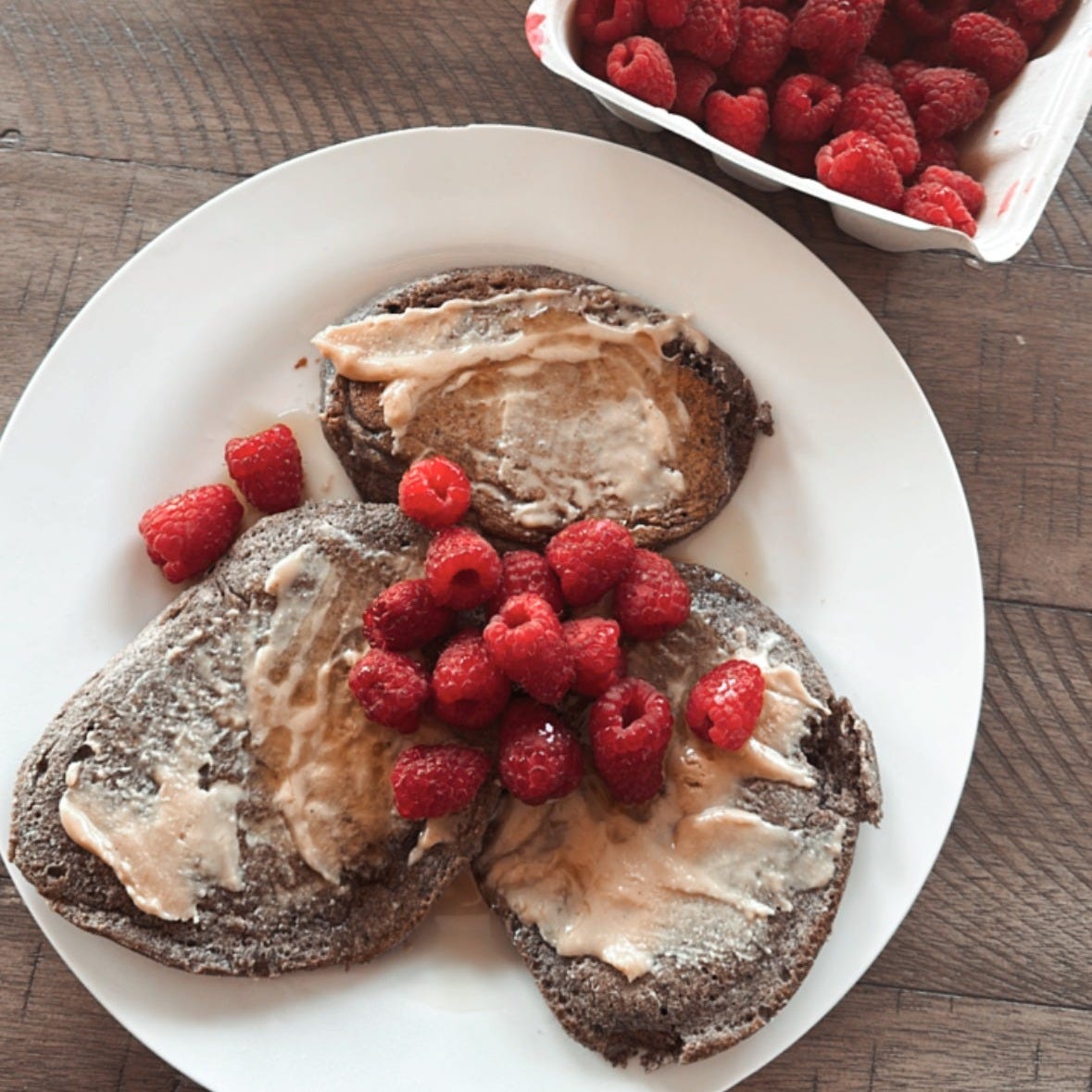
Buckwheat Pancakes: Made with buckwheat flour, a scoop of protein powder, one egg, baking powder, cinnamon and water providing a hearty 30 grams of protein.
Eggs + Veggies: I’ll often make a scramble with 2 eggs, 1/3 cup of egg whites, and sautéed veggies (spinach, bell peppers, zucchini). This gives me a protein-packed breakfast that supports muscle repair and provides sustained energy.
These meals help stabilize my blood sugar and support my hormone balance—two critical factors in my healing.
Supplements I’m Taking Right Now
While I’m still waiting for my HTMA results to better understand my mineral needs post loss, I’ve been strategically choosing supplements to support my body’s needs in this recovery phase. Here’s what I’m currently taking and why:
Beef Organs by Codeage
Beef Organs are packed with vitamin A and copper, both essential for immune function, skin health, and iron metabolism. Copper, in particular, helps the body absorb and utilize iron, which is crucial for restoring balance after loss. This supplement provides me with nutrients that support overall body repair and recovery.Vitamin K2 by Natural Factors
Vitamin K2 is essential for supporting calcium metabolism. It ensures calcium is directed to the bones, rather than accumulating in soft tissues like arteries. As I work to restore my body, K2 supports my bone and cardiovascular health.Vitex (Herbal Blend from my Herbalist)
I take Vitex (Chasteberry) every morning before 8 a.m. This herb supports progesterone production and helps regulate the menstrual cycle. In this post-loss phase, supporting my progesterone levels and restoring hormonal balance has been vital. Vitex helps my body get back on track by supporting healthy ovulation and hormone function.Magnesium Bisglycinate by Can Prev
Magnesium Bisglycinate is a must for me. It supports muscle recovery, relaxation, and sleep. Magnesium is essential for a healthy nervous system and muscle function, and it’s helping me manage stress and tension as I rebuild my body.Herbal Tea Blend: Lady’s Mantle, Raspberry Leaf, Rosehips, Yarrow, Rose Petals
My daily herbal tea includes a blend of lady’s mantle, raspberry leaf, rosehips, yarrow, and rose petals. These herbs support reproductive health and help me restore balance in my hormonal system. Here’s how each one supports my healing:Lady’s Mantle: Supports the female reproductive system, especially recovery after loss.
Raspberry Leaf: Tones the uterus and supports the menstrual cycle.
Rosehips: Rich in vitamin C, they promote tissue healing and immunity.
Yarrow: Regulates the menstrual cycle and provides emotional support.
Rose Petals: Nourishes the emotional body, providing grounding and soothing energy.
Calm Mind Peaceful Sleep (Herbal Blend)
In the evenings, I take my Calm Mind Peaceful Sleep blend, which consists of chamomile, lemon balm, passion flower, skullcap, california poppy, and rescue remedy (including white chestnut and aspen). These herbs are designed to calm the nervous system and promote restful sleep:Chamomile: Eases stress and promotes better sleep.
Lemon Balm: Calms anxiety and supports relaxation.
Passion Flower: Soothes the mind and promotes restful sleep.
Skullcap: Eases tension and promotes calmness.
California Poppy: Supports sleep and reduces anxiety.
Rescue Remedy (White Chestnut, Aspen): Releases emotional blockages and promotes calm.
Foods, Lifestyle Habits, and Emotional Supports
In addition to supplements, these are the key habits I’m using to nurture my recovery:
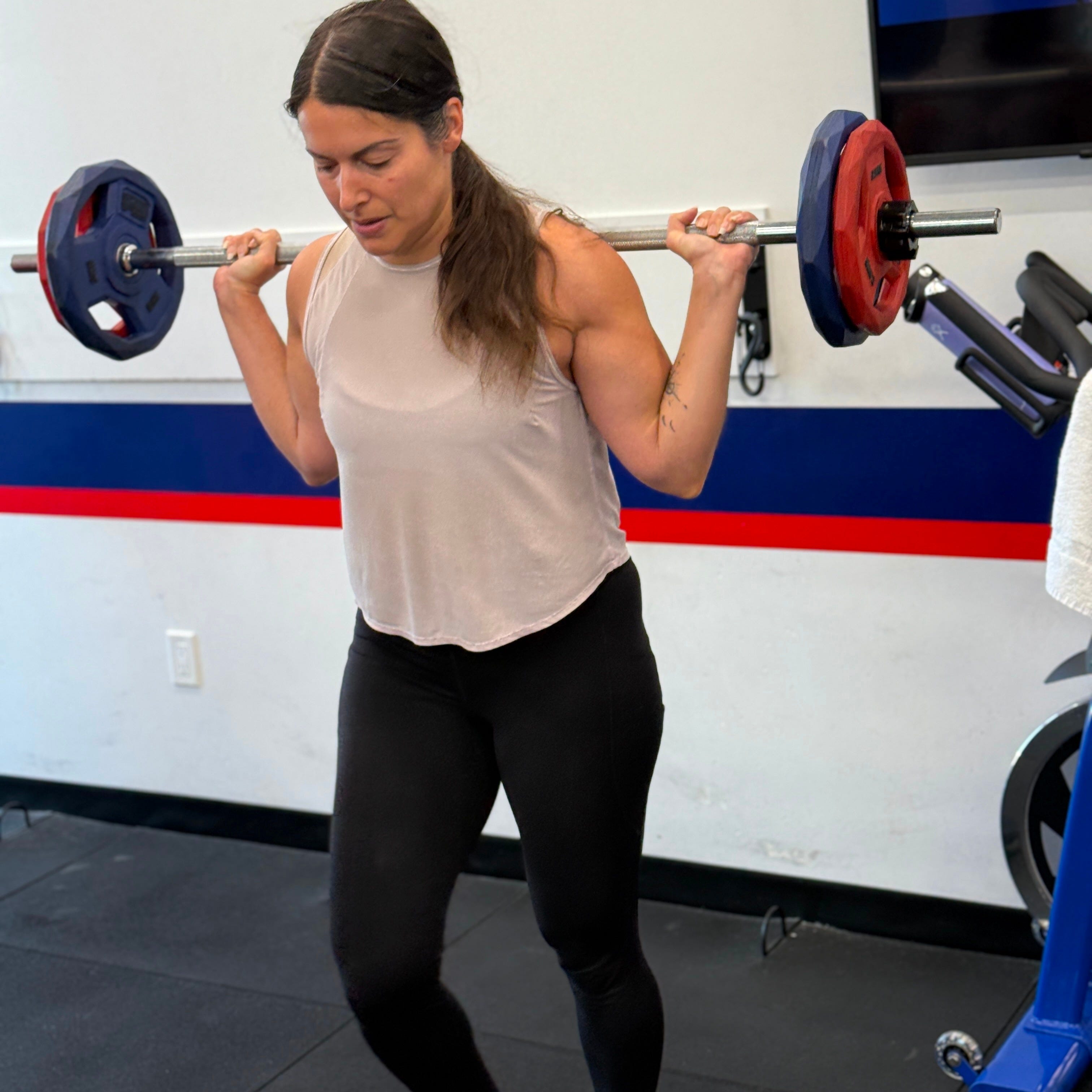
Creatine and Electrolytes: First thing every morning, I mix creatine and electrolytes into my water. This blend supports muscle recovery, hydration, and overall wellness. It might seem funny or weird that I’m focusing on creatine, but keep in mind that my body went through a postpartum phase, and I lost some muscle during my pregnancy because I hadn’t worked out for two months. So, as I get back to weight training 3x/week, I’m focusing on creatine daily to help rebuild muscle and support my strength. Creatine is not just great for muscle support—it also aids cognitive function, energy production, and cellular hydration, benefiting both physical and mental performance. On workout days, I sip it during my workout; on non-workout days, I drink it before breakfast to kickstart my day with hydration and overall support.
Breakfast within 30-60 Minutes of Waking: I’m committed to eating breakfast within 30-60 minutes of waking up. This helps stabilize blood sugar and supports my body’s natural circadian rhythm. It's an essential part of my morning routine, ensuring I have the energy I need to face the day.
No Phones Before Breakfast: I’ve set a boundary to avoid using my phone during the first hour of my day. This sacred time is for quiet reflection, breathing exercises, or journaling. It helps me set the tone for a calm and focused day.
Sunlight Exposure: Sunlight is part of my morning routine. I step outside within the first 30 minutes of waking up to get natural light. This helps me regulate my circadian rhythm and sets me up for a more energized day.
What I’m NOT Doing Anymore—and Why
Healing is as much about what I’m not doing as it is about what I’m adding into my routine. Here’s what I’ve consciously decided to let go of:
Overworking My Body: While I’ve recently added weight lifting back into my routine, I’ve cut back on high-intensity cardio for now. My hemoglobin levels still aren’t where they need to be, and I also know that for hormone support, my body can’t handle high-intensity work at the moment. I need to continue supporting my adrenal glands, which play a key role in producing sex hormones—especially progesterone, a crucial hormone not just for fertility, but also during perimenopause. Progesterone is often the first hormone to drop in perimenopause, leading to many of the symptoms women experience, including fertility issues. For now, I’m focusing on strength training with a more intentional, slower approach, giving my body the time it needs to heal and rebuild strength without pushing too hard.
Information Overload: In today’s age of AI, social media, and endless wellness content, we’re constantly bombarded with advice on supplements, diet trends, and wellness hacks. As a Nutritionist, I already know how much information is out there—but it’s overwhelming, to say the least. With so much conflicting advice, it’s easy to fall into the trap of trying everything and nothing at the same time. But what I’ve realized is that this constant flow of information is not helping us—it’s keeping us stuck.
When we’re constantly absorbing new health trends and protocols, it activates our body’s stress response. Our nervous system stays in fight or flight, which makes it almost impossible for the body to heal. Stress—whether it’s from trying to decipher which diet or supplement is best for us, or from constantly comparing ourselves to others—disrupts hormone balance, weakens digestion, and hinders immune function. It keeps us on edge, emotionally and physically, rather than allowing us to rest and rebuild.
What we need isn’t more information, it’s more clarity and simplicity. I’ve learned to trust what feels right for me, tune out the noise, and focus on the basics—the things that truly support my body’s healing process without overwhelming it further. This means stepping back, simplifying my approach, and giving my nervous system the space it needs to calm down and allow true healing to begin.
Ignoring Boundaries: After the loss, I had to set stronger emotional boundaries. I’ve learned the importance of saying no to things that drain me and giving myself the space to heal. Saying no isn’t always easy, but it’s essential for my recovery.
Why This Approach is Working for Me
I’m still waiting on my HTMA results, but even without them, I feel confident in my approach. I’m nourishing my body with the right supplements, focusing on sleep, and integrating healing habits like the ones above. This holistic approach is already yielding positive results—better sleep, more stable energy, and a deeper emotional connection to the process.
One of the more exciting things is that once I receive my HTMA results, I’ll be able to get even more specific and tailored in my approach. Right now, I’m making educated choices based on what I know about my body’s needs, but the HTMA test will give me the exact mineral and nutrient imbalances, helping me fine-tune my supplements, diet, and lifestyle choices even further.
This is the power of personalized care and a deep understanding of what my body needs. With the results in hand, I’ll have a more precise roadmap for addressing any remaining deficiencies and optimizing my healing journey. I’m excited for what’s to come and the even more tailored approach that will emerge once I have that data.
Need Help Understanding What’s Going On in Your Body?
If this post resonated with you, I want to remind you: You’re not broken. You’re not “too sensitive.” You’re simply under-resourced, and the good news is, you don’t have to keep guessing what your body is telling you.
If you’re ready to uncover the deeper layers of what’s happening with your health, my HTMA Analysis Package might be just what you need. Using functional mineral testing, we’ll get to the bottom of your symptoms—whether that’s fatigue, bloating, anxiety, poor sleep, or hormone imbalances—and I’ll guide you through creating a personalized plan that feels aligned and sustainable.
🔍 This isn’t about a quick-fix protocol. It’s about rebuilding your body’s capacity from the ground up.
When you’re ready to stop guessing and finally gain the clarity you need, click here to explore the HTMA Analysis Package and take the first step toward understanding what’s really going on inside. I’d be honoured to help you through this process.
And if you found this article helpful, share it with someone who might be quietly wondering if their struggles are “just aging.” It’s not. Their body is speaking—it’s time to listen.