

On Hair Loss
What I see most often in women dealing with thinning and shedding

Hair loss is one of the most emotionally loaded symptoms women talk to me about and often one of the hardest to put into words.
Not because it’s life-threatening, but because it’s personal. It shows up slowly and quietly, and then one day it’s impossible to ignore. More hair in the shower drain. More on your brush. A widening part. A ponytail that feels thinner than it used to.
For many women, hair loss becomes the moment they realize something deeper is going on in their body, even if no one has been able to explain what that is yet.
I’ve been there myself.
During the years when my health was unraveling: gut issues, chronic stress, time on birth control, thyroid dysfunction, my hair changed in ways that felt unsettling and discouraging. It wasn’t just about appearance. It was the feeling that my body was no longer working with me, no matter how hard I tried to do the “right” things.
What I understand now, after years of clinical work and reviewing countless lab patterns, is that hair loss is rarely a standalone issue. It’s often one of the earliest outward signs that the body has been compensating for a long time.
And most women are given explanations that barely scratch the surface.
In this post, I’m sharing:
Why hair loss is often the first sign something deeper is off
The mineral imbalances I see most often in women whose hair won’t stop shedding
How copper can quietly sabotage hair, hormones, and energy
Why “normal” thyroid labs don’t always mean healthy hair
What actually helps hair grow back and why quick fixes usually fail
Why Hair Loss Often Appears Before Anything Else Feels “Wrong”

Hair is considered non-essential tissue.
That matters.
When the body is under stress whether from under-eating, chronic inflammation, hormonal shifts, mineral depletion, or psychological stress, it reallocates resources toward survival. Organs and systems required for immediate function are prioritized. Repair, regeneration, and growth take a back seat.
Hair follicles are incredibly sensitive to this shift.
This is why hair loss so often precedes a diagnosis. It can show up before fatigue becomes overwhelming, before cycles become irregular, before digestion feels completely off. It’s one of the first visible signs that the body is adapting rather than thriving.
And by the time shedding becomes noticeable, that adaptation has often been happening for months or even years.
The Mineral Patterns I See Again and Again
One of the most overlooked contributors to hair loss is mineral imbalance.
Not just deficiency, imbalance.
Hair follicles require a very specific internal environment to grow. When mineral ratios are off, signalling breaks down, oxygen delivery is impaired, and the growth cycle shortens. The result is increased shedding, slower regrowth, and hair that feels fragile or lifeless.
Here are some of the most common patterns I see in women struggling with hair loss:
Iron (or iron utilization issues)
Hair follicles rely on oxygen-rich blood. Iron plays a central role in delivering that oxygen, but many women struggle not with iron intake, but with iron utilization.
Poor digestion, inflammation, copper imbalance, and blood sugar dysregulation can all impair how iron is used. When oxygen delivery drops, follicles shift into a resting phase and hair sheds faster than it can regrow.
This is why “normal” iron labs don’t always tell the full story.
Zinc depletion
Zinc is critical for hair tissue repair, scalp integrity, protein synthesis, and hormone regulation. Low zinc often shows up alongside digestive issues, poor wound healing, brittle nails, and immune vulnerability.
Without enough zinc, hair growth slows and structural integrity weakens. Supplementing blindly doesn’t always correct this, especially if absorption is compromised.
Magnesium depletion
Magnesium is one of the first minerals depleted by stress. Without adequate magnesium, mineral transport becomes inefficient, calcium regulation falters, and follicle signalling weakens.
Hair loss in high-stress women is rarely caused by stress alone. It’s stress layered on top of depletion.
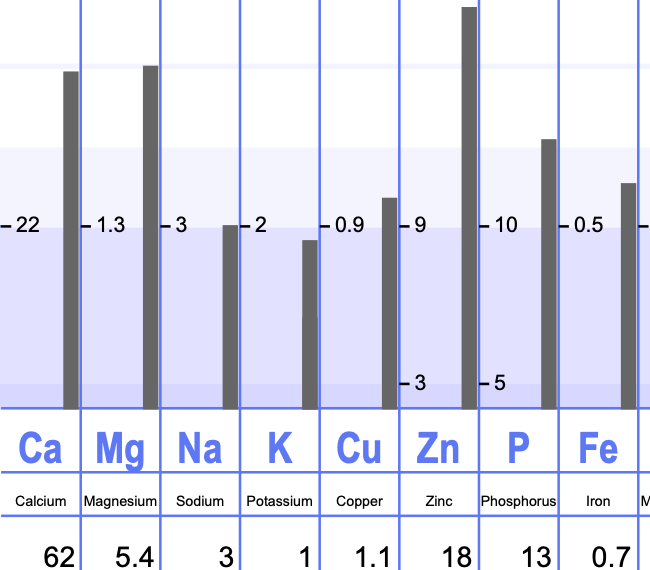
Copper Patterns: When “Enough” Becomes Too Much or Not Usable at All
Copper is one of the most misunderstood minerals when it comes to hair loss.
Most women assume hair loss means deficiency, so they add more. More iron. More zinc. More supplements across the board. But copper doesn’t behave like most nutrients. It’s not just about how much is present, but whether it’s usable, balanced, and properly regulated.
Copper plays a critical role in:
Hair structure and strength
Melanin production (hair color)
Iron metabolism
Thyroid hormone activation
Nervous system signalling
When copper is balanced, it supports resilient hair growth.
When copper is imbalanced, it often drives shedding.
Here’s where it gets tricky.
Many women don’t have low copper they have excess or bio-unavailable copper. This is especially common in women with a history of:
Oral contraceptive use
High estrogen exposure
Chronic stress
Long-term supplementation without testing
Poor bile flow or liver congestion
Copper must be properly bound to ceruloplasmin in order to be used safely. When it’s not, copper accumulates in tissues and becomes disruptive rather than supportive.
Clinically, this often shows up as:
Diffuse or unexplained hair shedding
Increased anxiety or agitation
Estrogen-dominant symptoms
Poor tolerance to zinc or iron
Thyroid symptoms despite “normal” labs
Copper imbalance also interferes directly with zinc and iron. Zinc is required to regulate copper, and iron depends on copper for transport and utilization. When copper is out of balance, supplementing iron or zinc without context can worsen symptoms including hair loss.
This is one of the most common reasons women say iron or zinc made them feel worse instead of better.
The issue wasn’t the nutrient.
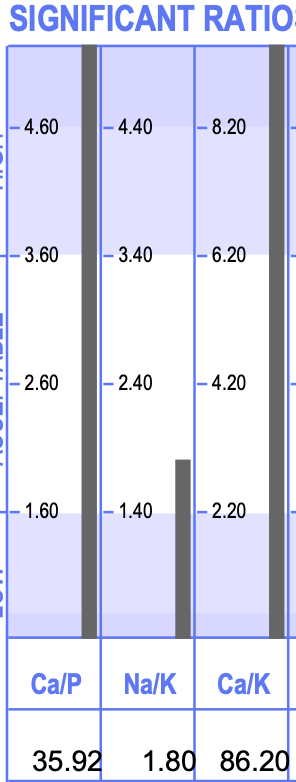
It was the ratio.

Hair Loss and the Thyroid: Why Labs Often Miss the Problem
Hair loss is frequently blamed on the thyroid, and not incorrectly, but the thyroid itself is rarely the root cause.
Thyroid hormones rely on multiple minerals and adequate metabolic input to function properly at the tissue level. For effective thyroid signalling, the body needs:
Selenium to convert T4 into active T3
Zinc for receptor sensitivity and signalling
Iron for oxygen delivery
Copper to support iron metabolism and mitochondrial activity
Adequate calories and protein to sustain metabolic demand
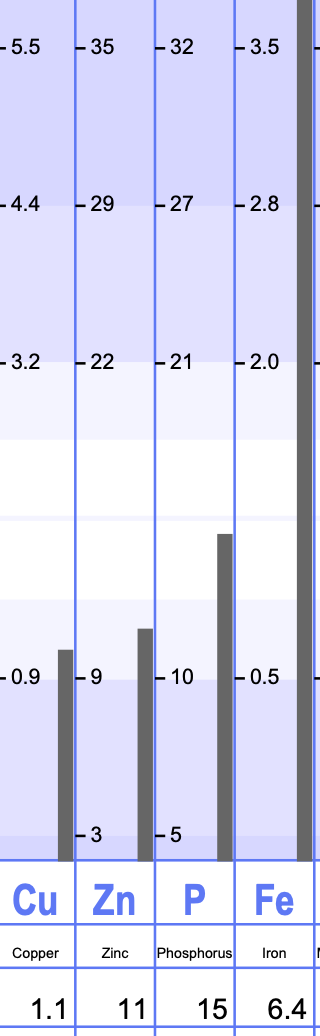
When even one of these is compromised, thyroid signalling weakens even if TSH, T4, and T3 appear within conventional ranges.
This creates what I often see as a thyroid-mineral disconnect.
The labs look acceptable.
The symptoms persist.
Hair follicles are particularly sensitive to this disconnect because they require strong metabolic signalling to remain in the growth phase. When thyroid signalling is impaired at the tissue level, follicles shift prematurely into shedding.
This is why women experience hair loss:
Without a formal thyroid diagnosis
After stopping birth control
During prolonged stress or under-eating
Despite “normal” thyroid labs
In these cases, the thyroid isn’t failing. The system supporting it is depleted.
Why Doing “Everything Right” Still Isn’t Enough
This is where many women feel stuck.
They’re eating well. They’re supplementing. They’ve switched shampoos, reduced heat styling, invested in scalp treatments, and tried to manage stress better.
And yet the shedding continues.
Because guessing is not the same as assessing.
Mineral status can’t be inferred from symptoms alone. Generic supplementation can worsen imbalances. And surface-level solutions rarely address what’s happening at the cellular level.
Hair regrowth isn’t about finding the perfect product. It’s about restoring the internal conditions required for growth.
What Actually Supports Hair Regrowth
Sustainable hair regrowth is not aggressive or urgent. It’s methodical and supportive.
Some of the most impactful foundations include:
Adequate protein intake
Hair is made of keratin, a protein structure. When protein intake is too low, the body prioritizes essential functions and hair growth becomes optional.
This is especially common in women with thyroid dysfunction, fatigue, or digestive issues who are unintentionally under-eating.
Targeted mineral repletion
Random supplementation often creates more imbalance. Supporting hair growth requires understanding which minerals are low, which are excessive, and how they interact with one another.
This is where individualized assessment becomes invaluable.
Scalp circulation and gentle care
Hair follicles are living tissue. Supporting blood flow through gentle brushing or massage helps deliver nutrients and improves follicle signalling. This doesn’t require aggressive techniques, consistency matters far more than intensity.
Nervous system regulation
Chronic stress keeps the body in a state of conservation. Growth and repair require safety.
Without addressing nervous system load, even the best nutritional strategies can fall short.
Why Hair Loss Should Be Taken Seriously But Not Personally
Hair loss doesn’t happen in isolation.
By the time shedding becomes noticeable, the body has usually been under strain for quite a while redirecting nutrients, slowing repair processes, and prioritizing survival over regeneration. Hair reflects what’s happening systemically.
This is why hair loss so often appears alongside fatigue, gut symptoms, hormonal changes, anxiety, or metabolic issues. It’s not that hair is the problem. It’s that hair is revealing how the body has been coping.
What makes this especially frustrating is that standard bloodwork frequently misses these patterns. A woman can be told her labs are “normal” while her body is clearly struggling to maintain balance beneath the surface.
When underlying stressors are addressed through adequate nourishment, mineral repletion, nervous system support, and improved metabolic signalling, hair regrowth often follows. Not as a quick fix, but as a natural outcome of restoring internal balance.
Hair growth doesn’t respond well to urgency or panic. It responds to consistency, sufficiency, and an environment where the body finally has the resources it needs to rebuild.